
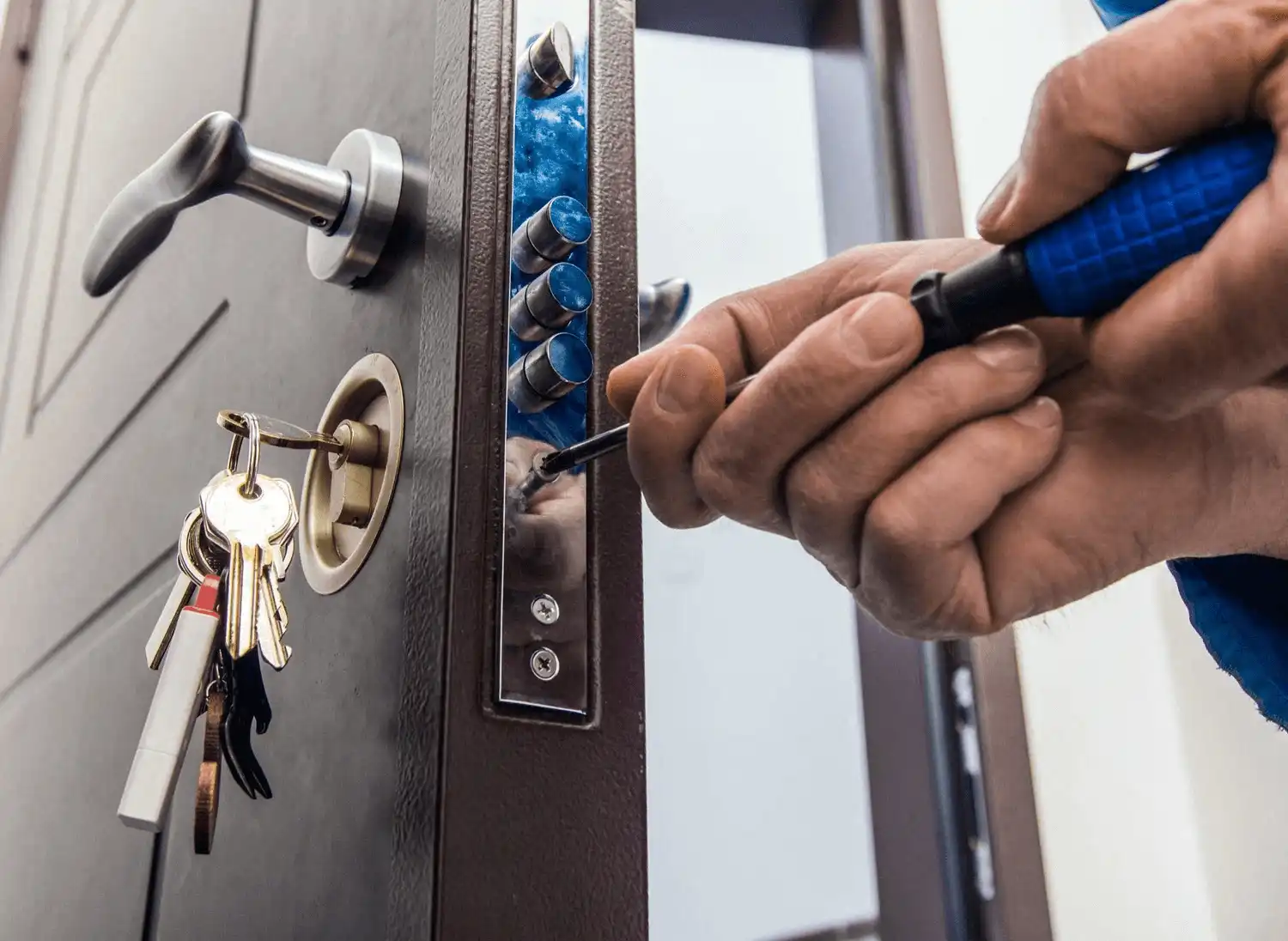
Your locks are the first line of defense between your home and anyone trying to get in—yet many homeowners assume that any lock will do the job. The truth is that not all locks offer the same level of protection. Some are built only for basic privacy, while others are engineered to resist forced entry, lock picking, drilling, and other common break-in methods.
Choosing the right lock isn’t just about keeping a door shut. It’s about building a stronger barrier around your home and the people inside it. Whether you’re settling into a new house, replacing outdated hardware, or looking to strengthen your existing setup, understanding your options helps you make a smarter, more confident decision. Many homeowners also turn to professional locksmith services in NYC to assess their current locks and recommend upgrades suited to their property and neighborhood.
This guide breaks down the most secure types of residential locks, explains what makes each one effective, and highlights the key features to look for when protecting your home.
What Makes a Lock Secure?
Before comparing different types of locks, it’s important to understand what actually contributes to home security. A high-quality lock isn’t defined by appearance alone. Its strength comes from its design, materials, and resistance to common burglary techniques.
A secure residential lock should offer:
- Resistance to lock picking and bumping
- Protection against drilling and forced entry
- Durable metal construction
- A reinforced deadbolt that extends deeply into the door frame
- Certification from recognized testing organizations such as ANSI or BHMA
It’s also important to remember that even the strongest lock performs poorly if it’s installed incorrectly or attached to a weak door or frame.
Read More:
Types of Door Locks for Home Security
Deadbolt Locks
Deadbolt locks are the strongest standard option for residential front doors. Unlike a spring latch, a deadbolt extends a solid metal bolt directly into the door frame with no spring mechanism to push back against. It holds its position until a key or thumb turn retracts it, making it significantly harder to force or slip open.
They come in three main types: single-cylinder, which uses a key outside and a thumb turn inside; double-cylinder, which requires a key on both sides; and keyless, which replaces the physical key with a keypad or smart mechanism. For most homes and apartments, a single-cylinder Grade 1 deadbolt is the right starting point.
High-Security Locks
Standard deadbolts handle most residential security needs, but high-security locks go further by resisting picking and bumping. High-security locks use patented cylinder designs and secondary locking mechanisms that make both techniques significantly harder to execute successfully.
Brands like Medeco and Mul-T-Lock are well-regarded in this category. Most also come with restricted key duplication, meaning copies cannot be made at a hardware store and must go through an authorized dealer. For apartments where multiple tenants have cycled through over the years, that key control alone is a meaningful security benefit.
Mortise Locks
Mortise locks are installed inside a pocket cut into the door’s edge rather than mounted on the surface. This makes the hardware harder to attack from the outside and better suited to heavy daily use. They have been standard in apartment buildings for decades because of their durability and resistance to forced entry.
Many older buildings already have mortise locks in place. The question is whether the cylinder inside has been updated. A worn or outdated cylinder limits what the hardware can actually deliver. Replacing just the cylinder is a cost-effective way to restore full security without changing the entire door hardware.
Smart Locks
Smart locks replace the physical key with digital access methods such as a keypad PIN, smartphone app, fingerprint scanner, or key fob. They offer practical security benefits, including temporary access codes for guests or service workers, activity logs showing who unlocked the door and when, and remote locking from anywhere via a smartphone.
The physical bolt mechanism behind the smart lock still determines how secure the door actually is. A smart lock installed on weak, deadbolt hardware does not provide real protection. Look for smart locks built on Grade 1 deadbolt bodies, and make sure the installation includes a reinforced strike plate with long screws reaching the structural framing.
Knob Locks and Lever Handle Locks
Knob locks are the most common type found on residential doors, but they are not a security lock on their own. The lock mechanism sits inside the knob itself, which means the knob can be sheared off with basic tools, immediately exposing the latch. They are appropriate for interior doors but should never be the only lock on an exterior entry point.
Lever handle locks share a similar limitation. They are easier to operate than knob locks and work well for interior use, but they do not offer the resistance an exterior door requires. If your front door relies on either of these without a deadbolt above it, adding a deadbolt is the most important security upgrade you can make.
Importance of the Door and Frame
The strongest lock on a weak door is still a weak entry point. A solid lock paired with a hollow-core door or a door frame without proper reinforcement can still fail under a hard kick. For the best protection, consider upgrading:
- Reinforced strike plates secured with 3-inch screws
- Solid wood or steel exterior doors
- Heavy-duty door frames
- Reinforced hinge screws
- Door viewers or smart video doorbells for added visibility
Also Read:
Which Lock Is Right for Your Home?
The American National Standards Institute grades locks from Grade 1 to Grade 3 based on durability and security.
- Grade 1 is the highest security, excellent for residential use on exterior doors.
- Grade 2 is high security and is used in many homes.
- Grade 3 is basic security, more appropriate for interior doors.
When choosing locks for exterior doors in NYC, Grade 1 or Grade 2 is always the right choice. For maximum security, choose a high-security lock with restricted key duplication and advanced protection against picking, bumping, and drilling.
Get the Right Lock Installed in NYC
Choosing the right lock is one part of the decision, and having it installed correctly is the other. A deadbolt that is not properly aligned, or a smart lock that is not configured correctly, creates vulnerabilities that defeat the purpose of upgrading in the first place.
Arties Locksmith NYC serves homeowners and renters across Brooklyn, Queens, Manhattan, the Bronx, and Staten Island. Whether you need a new deadbolt installed, a mortise cylinder replaced, a smart lock set up, or a full security assessment of your entry points, our team handles it correctly the first time. Call us or contact us online to schedule a visit.
Frequently Asked Questions
What is the most secure lock for a front door?
A Grade 1 deadbolt is the best choice for most front doors because it offers excellent resistance to forced entry. For even greater protection, consider a high-security deadbolt with pick-resistant cylinders, drill-resistant components, and restricted key duplication.
Are smart locks as secure as traditional locks?
Smart locks can be just as secure when paired with a high-quality deadbolt. While they offer convenient features like remote access and activity logs, the strength of the mechanical lock and proper installation ultimately determine the level of security.
Should I replace or rekey my locks after moving?
If the existing locks are in good condition, rekeying is often enough to prevent previous keys from working. However, replacing outdated or damaged locks with modern, high-security models provides better long-term protection and peace of mind.
What does ANSI Grade 1 mean?
ANSI Grade 1 is the highest residential security rating for door locks. These locks undergo rigorous testing for strength, durability, and resistance to forced entry, making them the preferred choice for securing exterior doors in homes and apartments.
How often should I replace my home’s locks?
Home locks don’t have a fixed replacement schedule, but they should be replaced if they’re damaged, difficult to operate, outdated, or compromised after a break-in or lost keys. Well-maintained, high-quality locks can last for many years before needing replacement.