

When most people think of locksmiths, they picture someone fixing a door lock after a key snaps inside. But the truth is, modern locksmiths do much more than that. Today’s security demands are more complex, more digital, and more integrated than ever before, and locksmiths are now essential technicians for installing and maintaining access control systems.
In this blog, we will be discussing the types of access control systems that locksmiths install and maintain. Let’s start:
Traditional Mechanical Access Control
Let’s start with the basics. Even though everything is shifting toward digital, mechanical systems remain a huge part of access control. Locksmiths still install, maintain, and upgrade these because they’re simple, predictable, and surprisingly secure when done right.
Keyed Entry Systems
These are your standard locks and keys. While simple, modern keyed systems include upgraded cylinders, restricted keyways, and anti-drill or anti-pick features. Many businesses prefer them for low-risk rooms or as a backup when electronic systems fail.
Master Key Systems
If you’ve ever been a property manager or run a business with multiple rooms, you already understand the power of a master key. Locksmiths design tiered master key systems so one key can open multiple designated areas. It’s incredibly convenient, until you lose that key, which is why professional locksmiths also maintain and reconfigure these systems when staff changes or security policies are updated.
Keypad Access Control
Keypad systems are often the first step away from mechanical locks. Instead of handing out physical keys, you assign entry codes. Locksmiths install both standalone and networked keypads depending on the building’s layout.
Stand-Alone Keypads
These are perfect for small businesses, single offices, or side entrances. They’re easy to program, easy to reset, and perfect when you want quick access control without investing in a full system.
Networked Keypads
If you want every door to communicate with a central dashboard, so you can add codes, remove codes, or view access logs remotely, then a networked keypad system does exactly that. Locksmiths maintain these by updating firmware, managing code databases, and troubleshooting connectivity issues.
Also read: Questions to Ask Before Hiring a Locksmith
Card and Fob Access Control
Walk into almost any corporate building today, and you’ll see people tapping a badge or fob at a door reader. Locksmiths handle these systems all the time, and for good reason card access is reliable, clean, and easy to manage.
Proximity Card Systems
These use low-frequency RFID. You simply wave the card in front of the reader. Locksmiths install door readers, connect controllers, and integrate them with your building’s existing security software.
Smart Card Systems
Smart cards use encrypted data, making them far more secure. You can program multiple permissions onto a single card, access levels, time restrictions, audit logs, and more. Locksmiths maintain these systems by updating software, replacing readers, and issuing new cards.
Key Fob Systems
Key fobs operate much like cards but are easier to carry. Many residential communities use them for gates, elevators, and building entrances. Locksmiths program the fobs, troubleshoot access errors, and maintain the RF readers.
Mobile Access Systems
Smartphones are replacing wallets, ticket stubs, boarding passes—and now physical keys. Many locksmiths install mobile access systems using Bluetooth, Wi-Fi, or NFC technology.
Bluetooth-Based Access
Bluetooth locks connect automatically when your phone is nearby. No tapping, no codes just proximity. Locksmiths handle installation and ensure the lock pairs correctly with user devices.
NFC – Near Field Communication
If you’ve ever used your phone to pay at a terminal, NFC access works the same way. You tap your phone or smartwatch to unlock the door. These systems are increasingly popular for offices transitioning to keyless environments.
Cloud-Managed Mobile Credentials
For businesses that want remote oversight, cloud platforms let administrators assign or remove access from anywhere. Locksmiths maintain these by configuring the hardware, setting up user accounts, and checking that the door controllers remain online.
Biometric Access Control
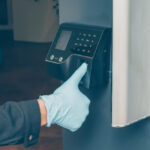
When you want a system that can’t be lost, stolen, or duplicated, biometrics offer a solid solution. These systems verify identity through physical traits, and locksmiths are fully trained to install and support them.
Fingerprint Scanners
The most common form of biometric entry, fingerprint systems store encrypted templates of each authorized user. Locksmiths handle the calibration, enrollment, and maintenance of the sensors.
Facial Recognition Systems
Once limited to high-security facilities, facial recognition is becoming more accessible. Businesses use it for touchless entry, and locksmiths help integrate these systems with existing access control networks.
Iris and Retina Scanners
These are used in extremely high-security environments, data centers, research labs, and government buildings. While not as common, locksmiths who specialize in advanced access control handle installation and periodic recalibration.
Electronic Strikes and Magnetic Locks: The Hardware Behind the System
Access control isn’t just software and readers; it requires the right hardware on the door itself.
Electric Strikes
An electric strike replaces the traditional strike plate and releases when the system sends a signal. These are ideal for offices that need both physical and electronic access.
Magnetic Locks
Maglocks use powerful electromagnets to keep a door secure. They’re commonly used for aluminum storefronts, emergency exits, and glass entryways. Locksmiths ensure these locks comply with fire code and install the proper exit devices, like motion sensors or push-to-exit buttons.
Cloud-Based Access Control: Remote Management for Modern Security
Cloud-based access control is changing the security landscape. Instead of storing data on-site, everything is hosted online, giving you full control from any device.
Centralized Control Panels
Admins can oversee multiple locations, view logs, and manage credentials from one dashboard. Locksmiths configure the panel, install the readers, and connect the entire system to a secure network.
Real-Time Activity Monitoring
Whether you want to know who accessed the building or whether a door was forced open, cloud systems record it instantly. Locksmiths set up these monitoring features and maintain sensors, wiring, and controllers.
Scalability for Growing Businesses
If your business expands, cloud systems scale effortlessly. Locksmiths integrate new doors, floors, or buildings without replacing the entire setup.
Multi-Layered Access
Some properties require more than a single layer of security. Commercial Locksmiths in NYC often design multi-factor access systems that combine two or more methods.
Examples include:
- Card + PIN
- Smartphone + fingerprint
- Face scan + card tap
- Keypad + Bluetooth
These systems boost security and reduce the risk of unauthorized entry. Locksmiths also maintain the backup components to make sure the system works even during a power outage or network issue.
Are you ready to fortify your home or office security? Contact Arties Locksmith NYC. We install all types of access control systems depending on your requirements. Call us now, let’s discuss.