

If you drive a car made in the last couple of decades, there is a good chance you have either a transponder key or a smart key in your pocket right now. And if you’re wondering what sets these two apart, you are not alone. NYC Drivers often hear about both systems when dealing with replacement keys, security upgrades, or transponder key programming, but the details usually feel buried under technical language.
So let’s talk about the real difference between transponder keys vs smart keys
What is a Transponder Key and How It Works
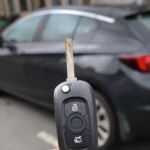
A transponder key looks like a traditional car key, but it carries a tiny electronic chip inside the plastic head. That chip communicates with your vehicle every time you insert the key into the ignition. When the chip and the car’s computer recognize each other, the engine starts. If the signal does not match, the car stays locked down and refuses to fire up.
This system became popular in the 1990s because it drastically reduced vehicle theft. Hot-wiring became nearly impossible, and simply copying a metal key was no longer enough to steal a car. Even today, the transponder system remains one of the most dependable security features on the road.
Transponder keys also keep things simple. You turn the key, you start your car, and you’re on your way. Nothing about the process feels complicated. If the chip inside the key ever stops communicating properly, you can get transponder key programming done by a professional locksmith or dealership. The cost is usually manageable, especially compared to more modern key systems.
But simplicity can be a limitation. A transponder key does one job: it starts the car. That’s it. You won’t get remote start, hands-free unlocking, or any of the features newer cars use today. For many drivers, this is totally fine. For others, it feels outdated.
What are Smart Keys and Why They Are Different
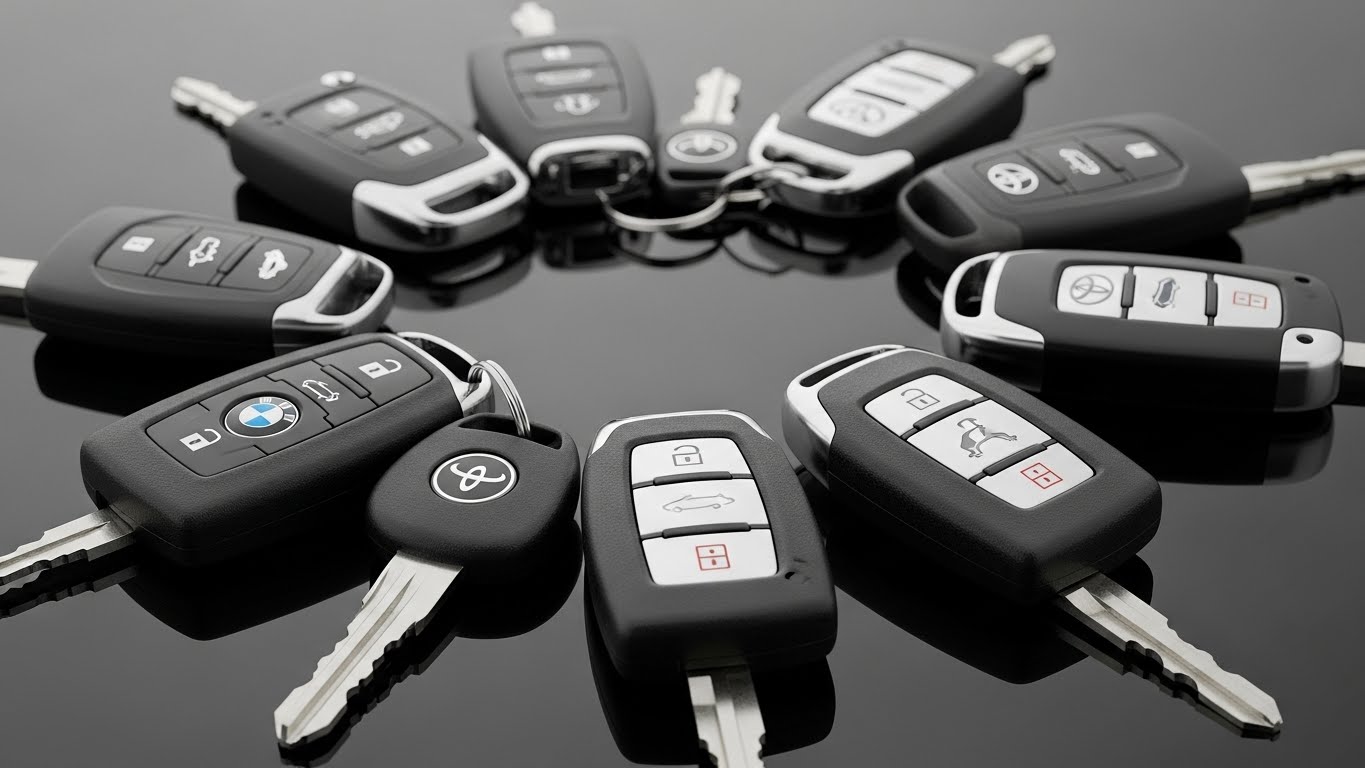
Now let’s look at smart keys. These are the key fobs you can keep in your pocket, while the car unlocks automatically when you touch the door handle. They connect to the vehicle through proximity sensors, which means the car detects the key as long as it’s close enough. You press the start button inside the car, and everything powers up without turning anything in the ignition.
The experience feels smooth, almost effortless. You walk toward the vehicle, the lights blink, the doors unlock, and you get in without pulling anything out of your pocket. For many drivers, once they experience this system, going back to a traditional key feels like stepping into the past.
Smart keys bring additional features too. Many of them allow remote engine start, trunk release, panic alarms, and even window control on some vehicles. The technology goes far beyond simply starting the engine.
Of course, with convenience comes more dependency on electronics. Smart keys rely on sensors and batteries. If the fob battery dies, the car may stop recognizing it. If sensors malfunction, you may find yourself standing outside a locked car even though the key is in your hand. Replacements also cost significantly more than transponder keys, and programming them requires more advanced tools.
How the Two Compare in Daily Life
Most drivers want to know how these keys differ in real-world usage rather than in technical theory. The biggest contrast comes down to convenience. A transponder key operates traditionally. You insert the key, turn it, and go. With a smart key, you barely interact with the key at all. You simply approach the car and everything happens automatically.
Security levels differ slightly as well. Both systems protect your car effectively, but smart keys use rolling security codes that change constantly. This gives them an edge against signal cloning and capture. Transponder keys remain very secure, but the technology behind them is older and less complex.
Replacement cost plays a huge role in the decision for many drivers. A transponder key is far cheaper to replace, especially when done through an independent locksmith who can handle transponder key programming. Smart keys can cost several hundred dollars depending on the vehicle model, and dealerships often charge even more.
Durability also matters. A transponder key has fewer components, which means fewer points of failure. Smart keys depend on batteries, microchips, and sensors, so there are more opportunities for things to go wrong. If you like low-maintenance solutions, this is something to consider.
Also Read: How Locksmiths Cut and Program Car Keys?
Why Transponder Keys Still Make Sense for Many Drivers
Even though smart keys are more advanced, transponder keys remain extremely popular. They are dependable, durable, and affordable. You don’t have to worry about battery life, complicated programming, or sensor issues. You simply use the key the way drivers have used keys for decades.
Drivers who prioritize long-term reliability often prefer transponder keys. If you own a car that uses them, replacing your key or getting it programmed is simple and cost-effective. And if you just want a secure, straightforward key without all the extra features, the transponder system does exactly what you need.
Why Smart Keys Continue to Rise in Popularity
On the other hand, convenience is a powerful thing. Smart keys change how you interact with your car in a way that feels genuinely modern. You never insert anything into the ignition. You never search your pockets while holding groceries. You never juggle items while unlocking the door. Your car simply recognizes you.
For drivers who value hands-free comfort, modern technology, and seamless entry, the smart key feels like a major upgrade. Most new vehicles come equipped with smart keys because customers prefer the experience, even if the replacement cost is higher.
Programming Needs for Both Key Types
Both transponders and smart keys require programming, but the level of complexity differs. Transponder key programming involves linking the chip inside the key to the car’s immobilizer system. The process is straightforward for trained locksmiths and takes only a short time.
Smart key programming is more advanced. It involves syncing the fob with the vehicle’s computer, matching security codes, and ensuring the proximity sensors respond correctly. The process takes longer and usually costs more. Because the technology is newer, some programming steps require dealership-level equipment.
Understanding this difference helps you avoid surprises when you need a replacement.
Choosing the Right Option for Your Lifestyle
If you are trying to decide between the two, the right choice depends on what matters most to you. Drivers who want simple operation, a dependable system, and lower replacement costs often lean toward transponder keys. The security is strong, the key is durable, and the programming process is budget-friendly.
Drivers who want convenience, speed, and the latest features almost always choose smart keys. The experience feels modern, the technology adapts to your habits, and the features extend far beyond simply starting the engine.
Whether you need transponder key programming or smart key programming, contact Arties Locksmith. Our locksmiths in NYC are well-experienced in programming keys and making them work again. Feel free to call us today, and let’s get started.